Requests and incidents
We agree contact channels, priorities and diagnostic information. Resolution considers the impact on users and connected systems.

Go-live is not the end of the project. We help resolve operational requests, prepare upgrades and develop applications as your needs change.
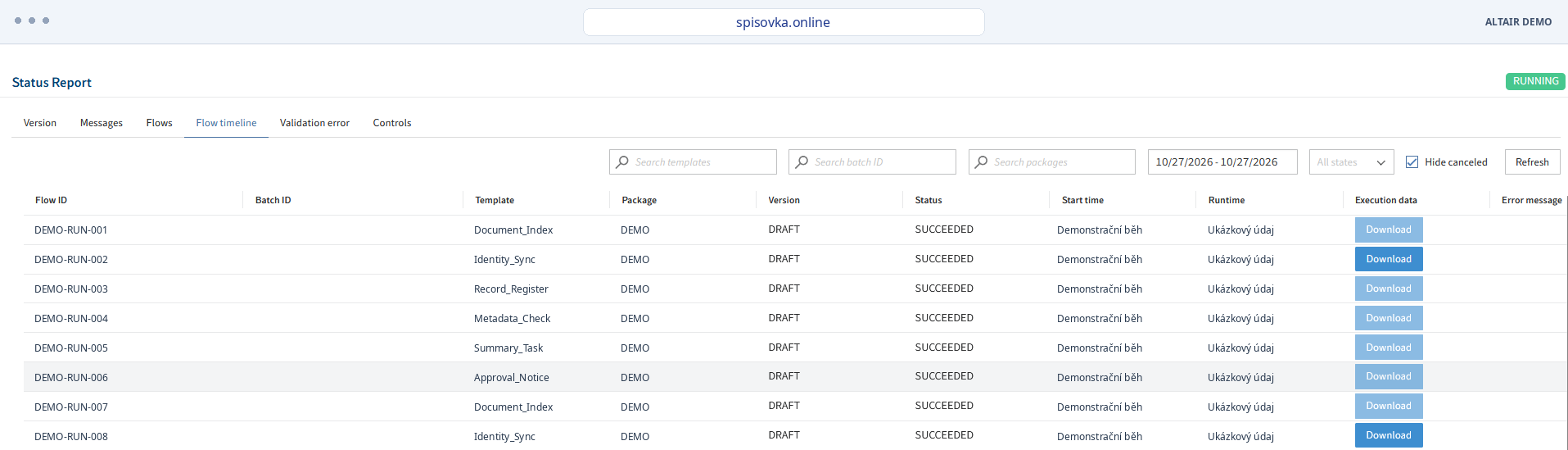
We agree contact channels, priorities and diagnostic information. Resolution considers the impact on users and connected systems.
We review version changes, custom extensions and interfaces, then check important processes before production deployment.
Requests are assessed by value, effort and impact. Individual changes become a plan that fits your operating capacity.
Supported components, service hours and responsibilities are agreed in the contract. Your team knows where to turn and what the service covers.
Response times, service hours, priorities and escalation are defined in the support contract. They reflect the system's importance and responsibilities shared by the customer, ALTAIR and other suppliers.
Configuration, interfaces, roles, operating procedures and custom-extension documentation, as well as the application. Agree administrator access, backup, support and upgrade arrangements in the requirements.
The integration should record failure, distinguish temporary issues and support safe retry. Depending on the scenario, use a queue or a controlled error response. Keep track of what has already been processed.
Access is configured by role, group and application. Checks should include previews, exports, service accounts and role changes. Hiding a menu link is not an access control.
Training should follow their roles and real tasks. A pilot group, short guides and a clear support contact help. Administrators and records staff need their own training, not just an end-user demonstration.